Showing posts with label thai. Show all posts

1/18/2009

Thai Spa, Spa Light Star Bright


Spa Light Star Bright

By Seonia Gordon

Spa mania has gripped Thailand and on Phuket there is no pause for breath. The Thai spa industry is now evolving to enforce stringent controls of an international standard.

That started as traditional Thai massage treatment — which usually involves just a therapist’s hands on a willing body — has evolved into a thriving spa industry offering top-to-toe indulgence. Thailand, always popular for massage, has long enjoyed a reputation worldwide as the place to learn ancient healing techniques to address a variety of ailments, as well as to reduce stress levels and replace lost energy. But now, given the increase in visitors and the increasingly international flavour of the island, those seeking a spot of indulgence can treat themselves to any number of “feasts for the senses”, lavish pampering packages. A new trend involves a synergy of Oriental and Western folk wisdom, where tried and tested remedies combine in a winning formula.

On Phuket, a fantastic range of therapies is on offer, with something to suit every pocket. A simple traditional steam and massage goes for around 300 baht, while 5-star deals, with cool mountain breezes and spectacular sea views, bilities are endless.

And there’s an emphasis on “natural”, “fresh” and “complete”. A holistic approach now represents a large part of the spa hypothesis here, and the industry has progressed to include treatments popular in the West including colonic irrigation, detoxification, weight loss programmes and a vast range of water cures. Several resorts here are now tendering crystal healing and concentration meditation. This is big business. More than 200 spas are listed on Phuket. Nationwide, the industry generates an estimated 3.6 billion baht per year. In a recent “Wellness and Spas Fair” held in the Middle East, Thailand was dubbed Top Spa Destination. “Thai spas are unique in that they provide exceptional service,” said Dr Paial healing and concentration meditation. This is big business. More than 200 spas are listed on Phuket. Nationwide, the industry generates an estimated 3.6 billion baht per year. In a recent “Wellness and Spas Fair” held in the Middle East, Thailand was dubbed Top Spa Destination. “Thai spas are unique in that they provide exceptional service,” said Dr Paiboon, of Bangkok’s Aroma Vera company, in a Bangkok Post article (24 May 2004). “There’s no other place in the world where you can find such superb hospitality.”

The whole “relax and let someone else pamper you” concept is tempting for both tourists and hard-worked local residents stressed by the tough business of living in paradise. No doubt there’s a place for spas, and no doubt that growth in the industry is going to continue. But who’s keeping an eye on it all? It wasn’t that long ago that, when “essential oils” became popular in Europe, regulations were needed to weed out shark operators selling cheap copies that harmed the skin and, sometimes, even led to serious illness. Heard the story about the chiropractor who accidentally broke someone’s neck?

Thailand’s Ministry of Public Health (MPH) recognizes the importance of establishing internationally accepted standards for the spa industry. It has recently identified appropriate criteria for the accreditation and certification of the country’s spa operators. Currently, no national standards exist for the regulation of spas, but the MPH has drawn up a set of guidelines. Each province is responsible for setting its own criteria. The Phuket Provincial Health Office (PPHO) has just joined the Phuket Spa Business Club in an effort to encourage resorts to become part of the club, opening themselves to inspection and certification. “We are looking at three main areas when checking a spa,” says PPHO Head of Health Consumer Protection Jurai Skulpuak,” the physical environment of the building and the equipment; the

and lusher evergreen forest is found in the valleys, where the soil is deeper and richer. But opportunistic tropical vegetation flourishes in every niche available. Plants such as pandanus and prickly pear cactus establish themselves even on the sheer cliff faces, sending their roots into the tiniest cracks and subsisting on rainwater, sometimes merely on the humidity in the air.

High above the cliffs, stately eagles soar. Whoops and shrill cries hint at other wildlife, at birds and monkeys as yet unseen. Monkeys, ‘flying foxes’ (tree-dwelling fruit bats, some of them with a wingspan of a metre), and lizards are some of the terrestrial animals most often seen. Sea eagles, vivid blue kingfishers, herons, hornbills, and swiftlets are just some of the common bird species.

People have sailed the waters of Phang Nga Bay for at least 3,000 years. Traces of prehistoric hunters and fishermen may be found in the rock paintings which decorate overhangs and cliffs throughout the area. Sea Gypsies, recreational sailors, and tour groups are among those who have over the years added less interesting graffiti to the petroglyphs. Given the record of industrial and tourism development in most parts of the world, there is reason to fear that human beings will be one perhaps catastrophic factor in the shaping of what is one of the most scenic tropical paradises in the world.

Fortunately, however, since 1981 the area has been designated a marine national park by the Thai government. This has no doubt reduced the risks to the environment. But it is still the responsibility of every visitor to treat Phang Nga with respect, leaving it in the same condition in which we found it, and thereby helping to preserve this natural treasure for those who come after.

by: www.phuketmagazine.com

Muay Thai or Thai boxing, How it is amazing?

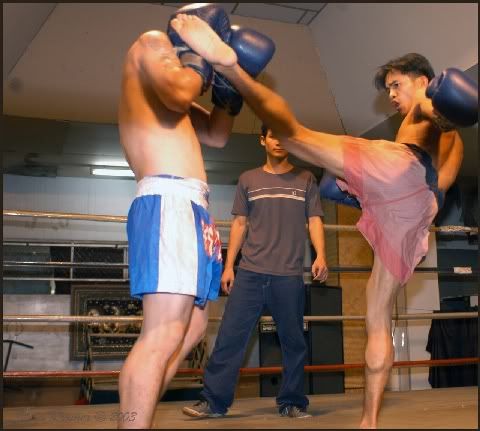
You might have heard about it, or even seen it on TV—the furious punches, crushing elbow strikes, lethal kicks, powerful grappling and artful feints. But nothing compares to seeing them executed to loud cheers and heart-racing tune of an accompanying wind-and-percussion ensemble. Welcome to the exciting world of Muay Thai, a martial art like no others, and a proud heritage of a nation.

The history of Thai culture, Muay Thai is interwoven with the history of the Thai people. A gentle, peace-loving people, for centuries Thais had to defend themselves and their land from aggressive powers. They developed a form of close, hand-to-hand combat best suited for the kind of rough-terrain battle they were fighting. Over time it became a rite of passage for Thai men to take up training in this martial art. King Naresuan the Great (1555-1605), one of the country’s most celebrated warrior-heroes, is believed to have been an excellent boxer himself, and it was he who made Muay Thai a required part of military training. Another milestone in the history of Muay Thai was the triumph of Nai Khanom Tom over 10 Burmese boxers in 1774. Taken captive after the Thai capital fell in 1767, Nai Khanom Tom was picked to fight before the Burmese king. After defeating ten of them in a row, he was freed and returned home a hero.

In the old days, Muay Thai was a dangerous sport, with no safety gear of any kind for the fighters, and only lengths of cords to wrht: bold;">Muay Thai Council was set up by cabinet resolution in 1995 to promote this national heritage at national and international levels. At a conference held that same year, 78 member countries voted for the establishment of a training school where all elements of Muay Thai would be taught. The Muay Thai Institute was founded in 1997 and is now the only training school accredited by the Ministry of Education.

Muay Thai or Thai boxing with international passion


Muay Thai, along with soccer, is certainly the most passionately followed sport in the country. Television networks broadcast fights five days a week, and the fight results at major stadiums are reported in all major newspapers. International boxing is also very popular, and the country has produced dozens of world champions, but they all started out as Muay Thai fighters. So it is not surprising that a boy as young as seven or eight would start training to become one—and many do, at stables across the country. Most provincial capitals have a boxing ring, but the ultimate dream of young boxers is to fight at Lumpini or Ratchadamgside tickets going for 500 baht each. Fights usually begins around 6:30 p.m., with preliminary bouts featuring younger, less experienced boxers, and build up towards the main event, usually around nine o’clock.

Muay Thai is fought in five three-minute rounds with two-minute breaks in between. The fight is preceded by a wai khru dance, in which each contestant pays homage to his teachers. Besides the younger, less experienced boxers, and build up towards the main event, usually around nine o’clock.

Muay Thai is fought in five three-minute rounds with two-minute breaks in between. The fight is preceded by a wai khru dance, in which each contestant pays homage to his teachers. Besides the symbolic meaning, the dance is a good warm-up exercise. You will notice that each boxer wears a headband and armbands. The headband, called mongkhol, is believed to bestow luck to the wearer since it has been blessed by a monk or the boxer’s own teacher. Since Buddhism and the teacher play important roles in the life of Thais, the headband is both a lucky charm and a spiritual object. It will be removed after the wai khru dance, and only by the boxer’s trainer. The armbands, meanwhile, are believed to offer protection and are only removed when the fight has ended.

A match is decided by a knockout or by points. Three judges decide who carries the round and the one who wins the most rounds, win the fight. The referee plays a very important role, since boxers’ safety depends on his decision.

To one side of the ring is the band section, comprising a Javanese clarinet, drums and cymbals. They accompany the fight from the homage dance to the conclusion. The tempo goes up as the action inside the ring intensifies. The musicians are mostly old-timers who have seen just about anything, yet their music always makes the heart race faster. It is said that the tune is a siren song that the true Muay Thai devotee can never resist.

On fight nights at major stadiums, especially at Lumpini and Ratchadamnoen, tourists fill up a sizable portion of the seats, and the number is growing. Most opt to sit at ringside, to see the action up close. On nights of major events, usually advertised days in advance, it can be hard to get tickets. You might want to book through your hotels or travel agents.

by: http://bangkok.sawadee.com

1/17/2009

Thai Food, Thai Coconut Milk Soup with Chicken [Tom Kha Gai]

Thai Coconut Milk soup has a creamy consistency and has a lovely lemony flavour to it. The main herbs are galangals chillies and coriander leaves which are very well known herbs in Thailand.


Thai Coconut Milk Soup with Chicken
Ingredients

1. 2 cups coconut milk

2. 1 cup chicken stock

3. 2-3 medium pieces fresh galangal, peeled and sliced

4. 3 chicken breast fillets (cut into well pieces)

5. 2 teaspoons chilies, finely chopped

6. 1 tablespoon fish sauce

7. 1 teaspoon sugar

8. 1/2 cup fresh coriander leaves

9. 5 coriander leaves for garnish


Thai Coconut Milk Soup with Chicken
Preparations

1. Add coconut milk, chicken stock and galangal in a pan.

2. Bring to boil and simmer over low heat for 8 minutes, stirring occasionally.

3. Add chicken pieces and chilli to pan, simmer for another 6 minutes.Continue stirring until cooked and all ingredients mixed well. 4. Season with fish sauce and sugar. Add coriander leaves Before serving, garnis1

1/16/2009

Thai Spa, Pornsarin Beauty Clinic

Ponsarin redefines the definition of beauty clinic with its sleek design, warm lighting, and spa-like environment - not to mention the extensive range of clinically-approved skin and body treatments to fix every flaw and imperfection.

With its close proximity to the city's business (Bangkok) districts of Sathorn, Silom and Sukhumvit, Ponsarin can be reached conveniently by a mere 15-minute taxi ride from the Chong Nonsri Skytrain (BTS) station. The clinic features four private treatment rooms and one sharing room; each fully-equipped with world-class treatment facilities and a team of highly experienced medical specialists to match.

Factor in very affordable treatments, compared to prices abroad, and it is no wonder why it has become so popular amongst tourists to combine a visit to the Land of Smiles with non-invasive surgical procedures.

Ponsarin Beauty Clinic utilises the latest hi-tech equipment and knowledge, coupled with legendary Thai hospitality. Skin renewal and rejuvenation can make for a younger-looking, more confident, healthier, happier you! Now there's a good reason to make an appointment right away.

by: http://www.bangkok.com

Thai Culture, Siamese fighting fish, Breating and Diet

Breathing

Like anabantids and all members of the genus Betta, Siamese fighting fish have a labyrinth organ in their heads that allows them to take oxygen directly from the atmosphere in addition to the oxygen taken from water via their gills. Bettas that cannot reach the surface may drown.

Diet

Bettas have upturned mouths and are primarily carnivorous surface feeders. In the wild, bettas feed on zooplankton and the larvae of mosquitoes and other insects, such as flies, crickets, or grasshoppers.[citation needed] Bettas which feed on wide range of foods live longer, have richer colors, and heal fin damage more quickly. Typically, Betta pellets are a combination of mashed shrimp meal, fish meal, brine shrimp, bloodworms, and vitamins. Bettas will also eat live or frozen bloodworms, brine shrimp or daphnia. For variety and fiber, bettas are fed finely-chopped, high-protein vegetables, such as soybeans, green beans, broccoli, corn, and carrots. Some bettas subsist on dried flaked food suitable for tropical fish, because although this feed reduces their coloring, the bettas are able to digest this better than pellets. However, bettas are carnivorous and therefore require meat products as well. Bettas can get constipated, exhibiting a swollen stomach, when their diet lacks variety.

by: http://en.wikipedia.org

1/14/2009

Thailand, Bangkok Spa & Health News

Spa capital of Asia. Health hub. If you can think of it, Bangkok is likely to have been called it. With so much happening and constant new developments that are part and parcel of this dynamic city's extraordinary psyche, we bring you all the latest news. This section will be updated continuously, so make sure to check back from time to time.

Launched at the end of 2006, The Peninsula Spa by ESPA offers a deeply personalised spa experience, featuring some of Bangkok's best-skilled therapists. Located in a new three-storey Thai colonial-style building adjacent to the hotel's Fitness Centre, the 1,774 square meter spa will have 14 treatment rooms and four suites, a tea lounge and relaxation rooms - creating a full-service oasis in the heart of the city that is a spa destination in itself. It will also be officially the biggest hotel spa in Bangkok.

As part of the 'Peninsula Wellness' programme, The Peninsula Hotels joined forces with leading international spa consultancy ESPA, headed by renowned spa authority Susan Harmsworth, to develop the ultimate in spa concepts. ESPA has created exclusive treatments and products tailored for Peninsula guests, and ESPA-branded products are the sole product line carried in The Peninsula Spa. Treatments draw upon Eastern and Western wellness and relaxation philosophies, emphasising a back-to-basics approach.

by: http://www.bangkok.com

Thailand, Bangkok Spa & Health News

Spa capital of Asia. Health hub. If you can think of it, Bangkok is likely to have been called it. With so much happening and constant new developments that are part and parcel of this dynamic city's extraordinary psyche, we bring you all the latest news. This section will be updated continuously, so make sure to check back from time to time.

Bangkok Life Center

For many months the new Q House development on the corner of Rama IV and Sathorn Roads had city dwellers wondering what's up - especially the interesting cylindrical tower wing. When Life Center, the city's and Thailand's first lifestyle (or rather 'healthstyle') mall finally opened, it fully lived up to the hype. For under its roof are housed a concoction of the best lifestyle brands dedicated entirely to fitness, health, beauty, cosmetics, healthcare and wellness.

The modern and very unique shopping mall features over 40 prime outlets, and is expected to become the leading center for the best and most sophisticated health and beauty innovations Thailand has to offer. It is positioned as a boutique shopping mall with a difference. This is the only shopping center where you can find an all-inclusive range of first-class health and beauty products and services. You can delight in a whole new shopping experience featuring specialised healthcare clinics, beauty centers, a fitness center, a spa, and various restaurants - all in one location. Truly a paradise for health, beauty and wellness fanatics.

by: http://www.bangkok.com

1/11/2009

Most Popular Spas in Bangkok Thailand


Hapa Spa Bangkok – a Boutique Spa and Beauty Salon in the heart of Bangkok, Thailand.

Hapa Rejuvenating Package 7 Treatments value 7,200B, only 2,990B/4.30hrs 1.Infrared Thermal Sauna 40m 2.Organic Body Scrub 30m 3.Body Wrap & Head massage 40m 4.Hydrotherapy 40m 5.Aroma Body Massage 60m 6.Foot Aroma Massage 30m 7.Shiatsu Facial Massage 30m (m=min) 5 Treatments value 5,700B, only 2,590B/~3.20hrs 3 Treatments value 4,000B, only 1690B/~2.10hrs or 2 Treatments or Aroma Body Massage 2hrs, only 1,200B Complimentary Fruit Yogurt & Hot Tea
Double Bonus Hair Blow Dry 160B, Hair Cut 280B, Hair Spa 380B, or Manicure & Pedicure 380B, Wax 390Bup, Colour, Perm, or Rebounding 890Bup (Loreal/Shisedo)
Cash Payment (For Visa or Amex plus 7% Vat)
Reservation is required 0-2253-9860, 0-2651-0966 www.hapaspa.com - E-mail: info@hapaspa.com

Thai Food, Stir-Fried Chicken with Cashew Nuts [Kai Pad Med Ma-Manug]

A popular Thai dish of stir-fried chicken mixed with cashew nuts garlic and dried chilli. Serve hot as part of a main meal.


Stir-Fried Chicken with Cashew Nuts
Ingredients

1. 300 g. sliced chicken thigh

2. 1 1/2 tablespoon soy sauce

3. 2 tablespoons oyster sauce

4. 1/3 cup roasted cashew nuts

5. 2 spring onions, chopped

6. 3 cloves garlic, minced

7. 1/4 onion, cut into small cubes

8. 4 dried chillies, chopped

9. 1 teaspoon seasoning soy sauce

10. 1 tablespoon sugar

11. 1 tablespoon cooking wine

12. 2 tablespoons vegetable oil

Stir-Fried Chicken with Cashew Nuts Preparations

1. Heat oil in a wok over medium heat. When oil is hot, add minced garlic, chop onion, and dried chillies, and fry until fragrant.

2. Then, add chicken, and season with soy sauce, oyster sauce, and sugar.

3. Stir-fry until all ingredients mix thoroughly and chicken is cooked, then add cooking wine, roasted cashew nuts, and spring onion. Stir quickly for 1-2 minutes, then remove from heat.

4. Transfer stir-fried chicken and cashew nuts to a serving dish, and serve immediately.

by: http://www.thaifooddb.com


1/10/2009

Most Popular Spas in Bangkok Thailand

In a city like Bangkok where countless spas are virtually everywhere, choosing where to go can be a daunting task. To help you get through the hassle of choosing where to go, we've narrowed the choices down for you. Here are some of Bangkok's most popular spas, promising to re-energise your body as well as relieve your mind of stress with a wide range of treatments, massages, and other services. Go on, treat yourself!

The Orientist Spa offers a unique and exclusive environment to relax and rid yourself from stress. Come and enjoy the warm atmosphere and be pampered by our friendly and experienced therapists. Experience a touch of paradise with our treatments, which use Thai herbal products to give you the full benefit of natural goodness. Aree Branch (near BTS Aree Station) :
+66 (0)2 278 2240-1
Ladprao Branch (near MRT Ladprao Station) :
+66 (0)2 513 7605
Central World Branch : 02-613-1577-8
E-mail : info@theorientistspa.com, www.theorientistspa.com

by: http://www.bangkok.com

12/30/2008

Thai Food, How to Make Pad Thai ( Stir-Fried Rice Noodle with Shrimp )


Stir-Fried Rice Noodle with Shrimp [Pad Thai Goong]

Thai style fried noodle is very well known and is one of the dishes that foreigners love to eat. It combines with many ingredients such as bean sprouts, green onion, chillies, lemons, etc.

Stir-Fried Rice Noodle with Shrimp Ingredients

1. 12 fresh Shrimp

2. 90 gram Dry Rice Noodle (3 - 5 m.m.)

3. 50 gram Fresh Bean Sprouts

4. 2 tablespoons Chopped (1") Green Onion

5. 6 tablespoons Fish Sauce

6. 6 tablespoons Oyster Sauce

7. 3 teaspoons Vinegar

8. 2 tablespoons Sugar

9. 2 Tablespoons Preserved Turnip

10. 2 Tablespoons Crushed Peanuts

11. 1 Tablespoon Paprika

12. 2 Eggs

13. 1 Teaspoon Red Chili (for Spicy lover)

14. 1/2 Lemon

Stir-Fried Rice Noodle with Shrimp Preparations

1. Soak the noodles about 30 minutes in room temperature water.

2. Heat and season the wok. Add the Shrimp and grill for 90 seconds. Add the Eggs. When the eggs are not quite finished, add the Noodles, Sugar, Peanuts, Turnips and Paprika. Stir Fry until all ingredients are mixed well and the noodles are wilted.

3. Season with the Fish Sauce, Oyster Sauce and vinegar. Then add Bean Sprouts, Green Onions and Red Chili. Stir fry quickly ensuring everything is well combined. If you like wet noodle dishes de glaze with 5 oz. water stock. If you like firmer dry noddles de glaze with only 2 oz. water stock. Place on Serving plate and garnish with more Bean Sprouts and a Lemon wedge.

by: http://www.thaifooddb.com


Happy New's Year

One of my favorite gifts is hearing from you.
Greetings of the season to you and yours.
ของขวัญลํ้าค่าคือการทราบข่าวคราวจากคุณเทศกาลแห่งอวยพรนี้จงเป็นของคุณและครอบครัว

by: shop on blog

12/29/2008

Lumpini Park, Bangkok

If all the late-night gallivanting, sightseeing, and debauchery is catching up with you, and the relentless buzz of the city is making you slightly delirious, maybe a walk in the park will offer some perspective. Lumpini Park, Bangkok's oldest and largest park, is an inner-city haven of tranquility, fresh air and shade - offering city dwellers the perfect connection to nature.

Named after the birthplace of the Lord Buddha in Nepal, the park is more than half a million square kilometers big, and the habitat of various life forms. Historically, it dates back to the 1920s, and was a gift from King Rama VI to the people of Bangkok.

Following his death, the project was completed under the direction of his successor, Rama VII. Long ago, kite contests, cow races and merry-go-rounds formed part of the park's activities, and in wartimes it became a camp for Japanese soldiers. After the war, the Thai Constitution was celebrated here, and the annual Miss Siam contest was hosted on the park's island.

From Dusk Untill Dawn

To this day, at 8:00 and 18:00, as in public places all over Thailand, everything comes to a standstill - to pay respect to H.M. King Bhumibol Adulyadej - while the national anthem is aired on loudspeakers.

Lumpini Park appeals to all sorts of people today, from wise elders practicing tai chi, sweethearts lounging at the lakeside, to the odd tourist getting happy on pure oxygen - and every other shade in between. The park is home to ever rarer indigenous flora, a forest park, and some quirky residents... Looming beyond the immediate green, glimmering city skyscrapers punctuate the scene.

A bright and early morning stride or at dusk is the best time to go see grown-ups at play. On weekends, the space is animated by families and the cheery sounds of children. Some of the colourful recreational pursuits at the park include rowing, paddleboats, and a fun outdoor gym.

Before sunset you can sweat it out at free open-air aerobics sessions to high-energy techno tunes. There is also a basketball court if you want to shoot some hoops. Often, local jazz outfits or even a classical orchestra make for fine (and free) late Sunday afternoon entertainment. Mats can be hired for 30 baht. Take a bottle of wine and picnic basket along.

The gardens are, however, spacious enough to allow a contemplative moment. A place unlike any other in Bangkok, you can kick off your shoes and let your feet touch the cool, morning-dewed grass. Watch (or join) the local fitness fundis in their various attempts to get the blood flowing - from jogging, cycling and stretching, to fencing, tai chi, yoga and ballroom dancing under a pavilion.

Boisterous Kids and Urban Survivors of Ancient Siam

If a leisurely stroll is more your style, just follow the maze-like pathways and let nature do its magic. There are also more sheltered niches, where you could read a book, meditate or have a picnic. While the young and boisterous can go climbing jungle gyms, ride the seesaw or play on the swings, it is just as easy to catch a nap in one of the shady dens surrounded by trees and refreshing foliage. Don't be alarmed if you come across some of the park's permanent 'inhabitants'...

Slinky reptiles, about the size of teenage crocodiles, surreptitiously wading out of the pond to sunbathe, squirrels doing acrobatics in the treetops, palm-sized mollusks making pilgrimage across the lawn - these are a few of God's creatures you might encounter on a visit to the park. Not quite what you'd expect to find in a metropolis of this magnitude, regard them as urban survivors of ancient Siam.

Note that while the aforementioned reptile, known as the 'water monitor lizard', might not be of the man-eating variety, it is advisable not to hand-feed him either!

Food Fix and Noodle Feast

On the subject of food, Lumpini Park has a line of small stands selling some fresh Thai food and fruit. If you're up for a chlorophyll fix, try their wheatgrass patties - a local contribution to the detox industry.

And noodle-lovers will not be disappointed by the variety of vendors camped outside the gates near the Rama VI statue, cooking up some tasty variations of 'pad thai' (a Thai noodle dish).

Lumpini is situated perfectly, framed by the roads Rama IV and Ratchadamri, (south and west) as well as Sarasin and Wireless (east and north, respectively). It is also opposite Suan Lum Night Bazaar, and within a short walking distance to both Lumpini and Silom underground (MRT) stations.

Opening hours are from 06:00 to 21:00

by: http://www.bangkok.com


12/28/2008

Keeping Fit in Bangkok 2


Bangkok Parks
What would a city be without parks and greenery? Not only is Bangkok very green, with numerous streets and alleys lined with trees, but the capital boasts a handful of lush and verdant parks. In a hustling and bustling metropolis like Bangkok, where traffic never seems to dwindle, tranquil parks offer an ideal retreat from the city's madness. Relax on a bench or stroll in the trees' shade. Bangkok's parks also offer an excellent setting for outdoor activities. Jogging, Frisbee and aerobics are among the popular activities people like to engage themselves in.


Lumpini Park, located off Rama IV not far from the Silom area, offers a great setting for jogging or walking. Join people practicing the ancient art of T'ai Chi just after dawn, or aerobics enthusiasts behind the Rama VI statue in the evenings.

Another popular park is Benchasiri Park on Sukhumvit next to the Emporium Shopping Complex. Though much smaller than Lumpini, this park, which also features a sports area for 'trakaew' (rattan ball game), volleyball, basketball and skateboarding, provides some tranquility in Bangkok's busy Sukhumvit area.

Chatuchak Park, located right next to the famous Weekend Market is popular and offers a pleasant retreat from the market's hullabaloo.

For more on parks in Bangkok, have a look here.

by: http://www.bangkok.com

12/27/2008

Keeping Fit in Bangkok

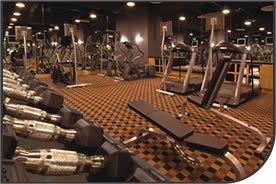
People in Bangkok have long recognised that keeping a physical and mental balance is the essence of overall wellness in today's busy urban lifestyle, especially in a hectic setting like the capital. So when it comes to exercise and fitness, Bangkok has it all! From green parks, to high-tech gyms, to dance and yoga studios, to extreme and competitive sports facilities; it's all available in Bangkok. \

At any given time, Bangkok's residents are rigorously exercising somewhere. If you go to Lumpini Park in the early morning hours, you'll see groups of people practicing the ancient arts of T'ai Chi, throughout the day plentiful gyms and fitness centres around town welcome adrenalin-craved members and visitors to workout at their facilities, while public open-air aerobics is very popular among Thais and foreigners alike.

Bangkok Fitness Center

Bangkok's multitude of recreational amenities offers a wide range of fun indoor and outdoor activities. Most five-star hotels and luxury serviced apartment residences have fitness facilities, but if you're not staying in one, there are plenty of hip and fashionable fitness clubs with state-of-the-art equipment available around the city. While clubs generally operate on a membership basis, most of them offer special promotions or short-term packages for non-residents.


California Wow Experience
With four big branches on Silom, Sukhumvit 23, Pinklao and the latest addition at Siam Paragon (and more on the way) this international fitness corporation, which also has clubs in Hong Kong and South Korea, is one of Bangkok's most vibrant and exciting workout places. Centres offer excellent equipment and machines, fun group aerobics, combat and dance classes, and personal training programs in a nightclub-like atmosphere. Expect heaps of happy people working out to loud music!

Fitness First
The worldwide health club operator with clubs spread across Asia, Australia, Europe and the UK has various locations around Bangkok offers comfortable workout surroundings, personal trainers, modern equipment and an extensive exercise program. Members can benefit from the reciprocal use of all clubs worldwide through a 'Passport membership'.

True Fitness
Located right in the Asoke junction and on the 7-11 levels of Zen Department Store, this multi-storey gym complex offers everything from the usual work out facilities to various dance and hot yoga classes. Live DJ plays your favourite tunes as you're burning off those unwanted calories. In-house spa and cosmetic clinic are also available.

Clark Hatch Fitness Center
Another worldwide fitness club brand with several branches in Bangkok. Locations are separately owned and independently operated by licensees of Clark Hatch International. Individual clubs offer different facilities, but all of them generally feature gyms equipped with newest equipment, aerobics and step classes, personalized fitness programs, swimming pools, steam room and sauna.
Some locations also offer squash and tennis courts, acquacise classes, table tennis and massage services. All clubs provide complimentary towels, and shoes and clothing are available at some.

Capitol Club

Does a busy urban lifestyle keep you unhealthy and lethargic? Been wanting to get fit but don't know where to start? Surpassing any ordinary fitness centre, Capitol Club, a luxury health club under the wing of President Park Executive Serviced Apartments, is an all-in-one venue with full-fledged facilities catering to those wanting to get healthy or merely just to have fun. Located in Sukhumvit Soi 24, this five-storey club boasts a distinctive Fitness Dome on the top floor, where guests can shed some sweat under a fiberglass-domed roof.

Venturing to new heights
In addition to burning unwanted calories and shaping muscles at an extensive range of fitness equipment, gravity-defying devotees can also get their adrenalin fix at the Capitol Club's eight-metre tall Rock Climbing Wall, one of Bangkok's few indoor rock climbing facilities. Closely supervised by well-trained staff, a climber can choose to safely conquer the path that best fits their ability.

The gym is spacious with free weights, machines and cardio areas properly sectioned. Certified personal trainers are readily at hand (private sessions are also available). Cardio machines can be found on the mezzanine floor, where great views will keep you on the treadmill longer. Alternatively, enjoy a wide range of health-beneficial activities encompassing everything from yoga, tai chi, Pilates to hip-hop dancing in an aerobics studio with sprung floor and mirrored glass wall.

Superior sport facilities
Sport enthusiasts will love Capitol Club's well-maintained facilities. Put your racket skills to test at the club's tennis and squash courts. Courses and training offered by experienced coaches can also be had. Cool down or swim a few laps at the three outdoor swimming pools - a perfect total body workout for a hot day.

In addition to world-class fitness equipment, housed under the same roof is Ananda Spa (read review here), where guests can take advantages of its amazing array of services and treatments. A large spa locker room and fitness locker room are separated and equipped with steam room, sauna and Jacuzzi.

As for post-workout refreshments and nourishment, Capitol Club offers a great selection of eateries. Treat yourself with tasty pastries, cakes, sandwiches, smoothies, protein shakes or cocktails at the Dome Cafe, choose to chill at Oasis Poolside, Skylight Bar or enjoy authentic Italian cuisine at De Meglio on the lobby floor.

It's more than a health club, it's the god life

Truly living up to its slogan, Capitol Club offers what the ubiquitous franchised fitness centres don't - a sport complex combined with a fully-functional health club. An absolute answer to today's hectic lifestyle with its superb location surrounded by shopping malls, parks, entertainment options and the city's efficient Skytrain (Asoke Station) and MRT (Sukhumvit Station), this all-in-one venue is an ideal place to be, be it to work out, get healthy, socialise or simply unwind the mind and re-energise the body.

Reviewed by Chanun Poomsawai

by: http://www.bangkok.com


12/26/2008

Thai Boxing, Legendary heroes


At the time of the fall of the ancient Siam capital of Ayutthaya in 1763, the invading Burmese troops rounded up a group of Thai residents and took them as prisoners. Among them were a large number of Thai boxers, who were taken by the Burmese to the city of Ungwa.

In 1774, in the Burmese city of Rangoon, the king of the Burmese, King Mangra decided to organize a seven-day, seven-night religious festival in honor of Buddha's relics. The festivities included many forms of entertainment, such as the costume plays called likay, comedies and farces, and sword-fighting matches. At one point, King Mangra wanted to see how Muay Boran would compare to the Burmese art Lethwei. Nai Khanom Tom was selected to fight against the Burmese champion. The boxing ring was set up in front of the throne and Nai Khanom Tom did a traditional Wai Kru pre-fight dance, to pay his respects to the Burmese king, as well as for all the spectators, dancing around his opponent, which amazed and perplexed all the Burmese people. When the fight began, he charged out, using punches, kicks, elbows, and knees, pummeling his opponent until he collapsed.[1]

The referee however stated that the Burmese opponent was too distracted by the Wai Kru, and the knockout was invalid. The King then asked if Nai Khanom Tom would fight nine other Burmese champions to prove himself. He agreed and fought them all, one after the other with no rest periods in between. His last opponent was a great boxing teacher from Ya Kai City. Nai Khanom Tom mangled him by his kicks and no one else dared to challenge him any further.

King Mangra was so impressed that he remarked, "Every part of the Thai is blessed with venom. Even with his bare hands, he can fell nine or ten opponents. But his Lord was incompetent and lost the country to the enemy. If he would have been any good, there was no way the City of Ayutthaya would ever have fallen."

King Mangra granted Nai Khanom Tom freedom along with either riches or two beautiful Burmese wives. Nai Khanom Tom chose the wives as he said that money was easier to find. He then departed with his wives for Siam. Other variations of this story had him also winning the release of his fellow Thai prisoners. His feat is celebrated every March 17 as "Boxer's Day" or "National Muay Thai Day" in his honor and that of Muay Thai's.

Today, some have wrongly attributed the legend of "Nai Khanom Tom" to King Naresuan, who was once taken by the Burmese. However, Nai Khanon Tom and King Naresuan were almost two centuries apart.

by: http://en.wikipedia.org

Thai Boxing, Muay Renaissance


The ascension of King Chulalongkorn (Rama V) to the throne in 1868 ushered in a Golden Age not only for muay but for the whole country of Thailand. Muay progressed greatly during the reign of Rama V as a direct result of the king's personal interest in the art. The country was at peace and muay functioned as a means of physical exercise, self-defense, recreation, and personal advancement. Masters of the art such as former fighters or soldiers began teaching muay in training camps where students were provided with food and shelter. Trainees would be treated as one family and it was customary for students to adopt the camp's name as their own surname.

After the occurrence of a death in the ring, King Rama the VII pushed for codified rules for Muay Thai, and they were put into place. These included the rules that the fighters should wear modern gloves and cotton coverlets over the feet and ankles. It was also around this time in the 1920s that the term Muay Thai became commonly used while the older form of the style was referred to as Muay Boran.

by: http://en.wikipedia.org

12/25/2008

Thai Food, How to Make Tom Yam Goong


Spicy Soup with Prawn and Lemon Grass [Tom Yum Goong]

Tom Yum Goong soup combines all the exotic flavours of Thai Food bringing together herbs ingredients such as lemongrass, chillies, ginza and coriander.

Spicy Soup with Prawn and Lemon Grass Ingredients

1. 12 medium-size shrimps, deveined

2. 10 mushrooms

3. 1 stalk of lemon grass (lightly pounded and cut into 2" long)

4. 3 lime leaves

5. 1 teaspoon of salt

6. 2 tablespoons of fishsauce

7. 3 tablespoons of lime juice

8. 6 hot peppers (pounded lightly)

9. 4 cups of water

10. 1/2 cup of roughly cut coriander leaves

Spicy Soup with Prawn and Lemon Grass Preparations

1. Remove the shrimp shell but leave the tails (for good appearance). Then cut open the back of each shrimp to remove the veins. Also clean the mushrooms with water and dry them well before wedging each into quarters.

2. Bring water to boil, then add lemon grass, lime leaves, and shrimps. When the shrimps turn pink, add mushrooms and salts.

3. Remove the pot from heat after boiling. Then season with fish sauce, lime juice, and hot peppers. Serve the soup while still hot and garnish on top with pieces of coriander leaves.

by: http://www.thaifooddb.com


12/24/2008

Thai Food, Top 10 Thai Food


I spent most of the day at the Book Fair at Queen Sirikit Convention Hall. The big fairs are usually during the school holidays in April and October. I used to comment that Thai people don’t like reading much (apart from cartoon books), but every year more and more people go to these book fairs. Today was packed and I could hardly move. I bought quite a few books that I will share with you later, but first I want to show you this book which is all about the Top 10 of Thai Food! Obviously one of my favourite subjects. As you can see, the book is in Thai. I think I already have the best of the cookery books in English. Most of them are quite limited and repeat themselves a lot. So, that is why today I was browsing through the cook books written by Thai people. A better selection for sure. I bought half a dozen cook books which will help me a lot identifying the ingredients of street food that I have already photographed. I could blog about Thai food every day, I am just lacking the information sometimes.

Anyway, according to this book, the following is the Top 10 list of Thai Food:

  1. Hot and sour soup with shrimp
  2. Green curry with chicken
  3. Fried Noodles
  4. Pork fried in basil
  5. Red curry with roast duck
  6. Coconut soup with chicken
  7. Thai style salad with beef
  8. Satay pork
  9. Fried chicken with cashew
  10. Panang curry
by: http://www.enjoythaifood.com


Thai Boxing, History of Thai Boxing


Various forms of kickboxing have long been practiced throughout Southeast Asia. As with the most countries in the region, Thai culture is highly influenced by ancient civilizations within Southeast Asia. Muay Thai's origin in Thailand can be traced back to its ancestor Muay Boran ("ancient boxing"), an unarmed combat used by Siamese soldiers in conjunction with Krabi Krabong, the weapon-based style. Eventually Muay Boran was divided to:

  • Muay Korat (Northeast) emphasized strength. A technique like "Throwing Buffalo Punch" was used. It could supposedly defeat a buffalo in one blow.
  • Muay Lopburi (Center region) emphasized movements. Its strong points were straight and counter punches.
  • Muay Chaiya (South) emphasized posture and defense, as well as elbows and knees.
  • Muay Pra Nakorn (North) emphasized speed, particularly in kicking. Because of its faster speed, it was called as well "Ling Lom" (windy monkey or Loris).

There is a phrase about Muay Boran that states, "Punch Korat, Wit Lopburi, Posture Chaiya, Faster Thasao. (หมัดหนักโคราช ฉลาดลพบุรี ท่าดีไชยา ไวกว่าท่าเสา)".

As well as continuing to function as a practical fighting technique for use in actual warfare, Muay Thai became a sport in which the opponents fought in front of spectators who went to watch for entertainment. This kind of muay contests gradually became an integral part of local festivals and celebrations, especially those held at temples. It was even used as entertainment to kings.

Eventually, the previously bare-fisted fighters started wearing lengths of rope wrapped around their hands and forearms. This type of match was called muay kaad chuek (มวยคาดเชือก).

by: http://en.wikipedia.org